
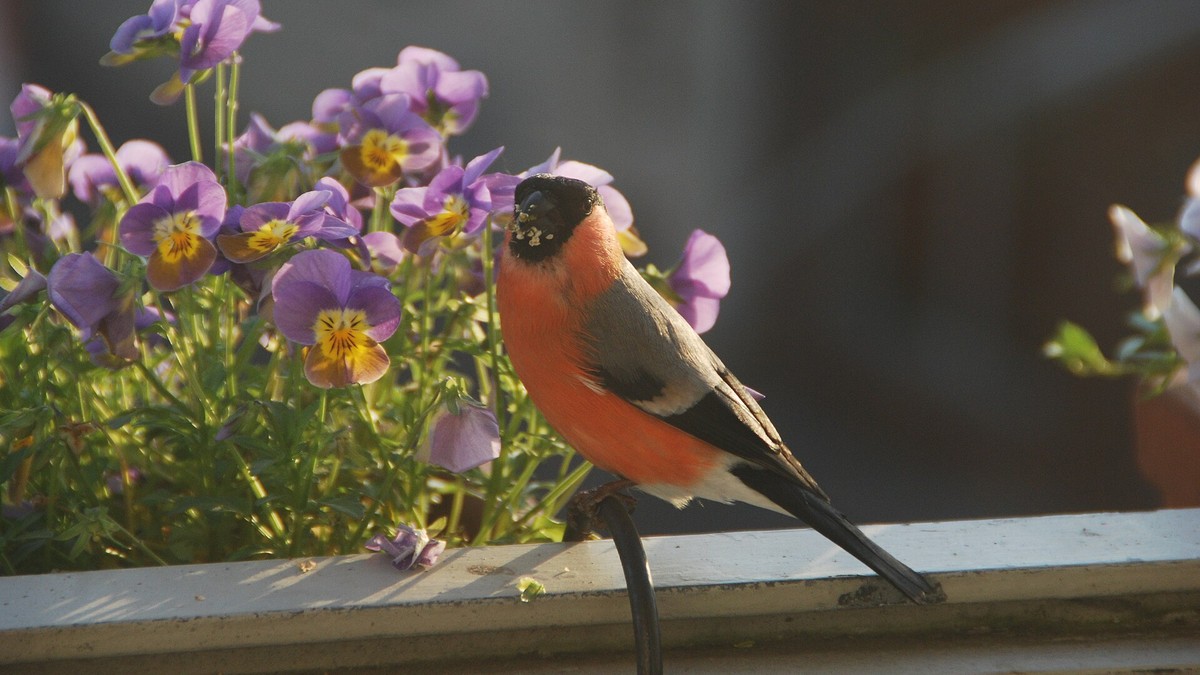
Why Winter Feeding Matters
Winter presents the greatest survival challenge for wild birds. Natural food sources dwindle, daylight hours shrink for foraging, and cold temperatures demand extraordinary energy expenditure. Small songbirds may lose up to 10% of their body weight overnight in freezing conditions. Your feeding station becomes a genuine lifeline, not merely a convenience.
Research from the British Trust for Ornithology confirms that supplementary feeding improves overwinter survival rates by 20-50% for common species. However, effectiveness depends entirely on consistency and appropriate food selection. Intermittent feeding creates dependency without delivering benefit; birds expend energy visiting empty stations.
Choosing the Right Foods
Not all birdseed delivers equal nutritional value. Focus on high-fat, high-calorie options that match specific species requirements.
Core Foods for Maximum Impact
| Food Type | Target Species | Key Benefit |
|---|---|---|
| Black sunflower seeds (hearts) | Tits, finches, sparrows | 28% fat content, no shell waste |
| Suet cakes and balls | Woodpeckers, nuthatches, wrens | Concentrated energy, 300+ kcal per 100g |
| Peanuts (unsalted, aflatoxin-tested) | Great tits, nuthatches, siskins | High protein and oil content |
| Nyjer seed | Goldfinches, redpolls | Specialized small beak adaptation |
| Mealworms (dried) | Robins, blackbirds, thrushes | Protein source when insects absent |
Avoid bread entirely. It fills stomachs without providing essential fats or proteins, and moldy bread causes fatal aspergillosis. Mixed seed blends often contain cheap fillers like wheat and milo that attract pigeons while quality seeds fall ignored.
Homemade Suet Recipe
Commercial suet proves expensive. Prepare your own:
- 250g lard or beef suet
- 500g mixed seeds, oats, and dried fruit
- Melt fat gently, stir in dry ingredients
- Pour into molds or pinecone crevices
- Refrigerate until solid
Store excess in freezer. Never use cooking fats or oils that smear feathers, destroying waterproofing and insulation.
Feeder Placement and Maintenance
Strategic positioning determines both bird safety and your observation opportunities. Place feeders:
- Within 2 meters of dense cover (shrubs, hedges) for predator escape
- At least 1.5 meters above ground to deter cats
- Away from windows (minimum 3 meters) or very close (under 30cm) to prevent fatal collisions
- In open sightlines so birds detect approaching sparrowhawks
Clean feeders weekly using 5% bleach solution. Trichomonosis and salmonella spread rapidly at crowded feeding stations. Rotate feeding locations monthly to prevent ground contamination buildup. Remove wet, moldy food immediately—fungal toxins kill quickly.
Water Provision: The Overlooked Essential
Birds require water for drinking and bathing even in subzero temperatures. Dehydration kills as surely as starvation. Natural sources freeze solid for weeks.
Provide shallow dishes (2-5cm depth) with gently sloping edges. Position in open areas with afternoon sun exposure. Refresh daily; stagnant water transmits disease. For freezing conditions, floating a small ball creates movement that delays ice formation. Heated bird baths consume minimal electricity and ensure continuous availability.
Bathing in winter serves critical feather maintenance. Clean, well-arranged plumage traps insulating air efficiently. Observe birds bathing even at -10°C when water remains accessible.
Seasonal Timing and Consistency
Begin feeding before hard frost establishes—typically late October in temperate regions. Early establishment allows birds to locate your station and incorporate it into daily foraging routes. Abrupt cessation mid-winter forces desperate energy expenditure searching for replacement sources.
Maintain morning replenishment. Birds forage most intensively within two hours of dawn to replace overnight energy losses. Evening feeding matters less; birds roost with full digestive tracts, vulnerable to chilling.
Gradually reduce quantities as natural food becomes available in early spring. Continue limited supplementary feeding through March when territorial demands and nesting preparations peak.
Recognizing and Responding to Problems
Monitor your station for warning signs. Puffed, lethargic birds indicate disease—disinfect immediately and pause feeding 2-3 weeks. Accumulated hulls beneath feeders ferment and attract rodents; install catch trays or relocate periodically.
Squirrel interference frustrates many feeders. Metal cages surrounding tube feeders exclude them effectively. Greased poles prove temporary and potentially harmful to squirrels. Accept some loss; aggressive anti-squirrel measures often injure birds.
Predator presence requires response, not panic. Sparrowhawks visiting regularly indicates healthy prey populations nearby. Temporarily removing cover vegetation forces hawks to hunt elsewhere without abandoning feeding entirely.
Your winter feeding station represents genuine conservation action with measurable population impact. Execute it with the precision and commitment wild survival demands.