
What Triggers the Start
Nesting season does not begin on a calendar date. It begins when environmental cues align: photoperiod (day length), temperature thresholds, and food availability. These factors trigger hormonal changes in birds, specifically the hypothalamic-pituitary-gonadal axis. As daylight hours increase, the pineal gland signals the pituitary to release luteinizing hormone and follicle-stimulating hormone. These hormones enlarge the gonads and initiate reproductive behaviors.
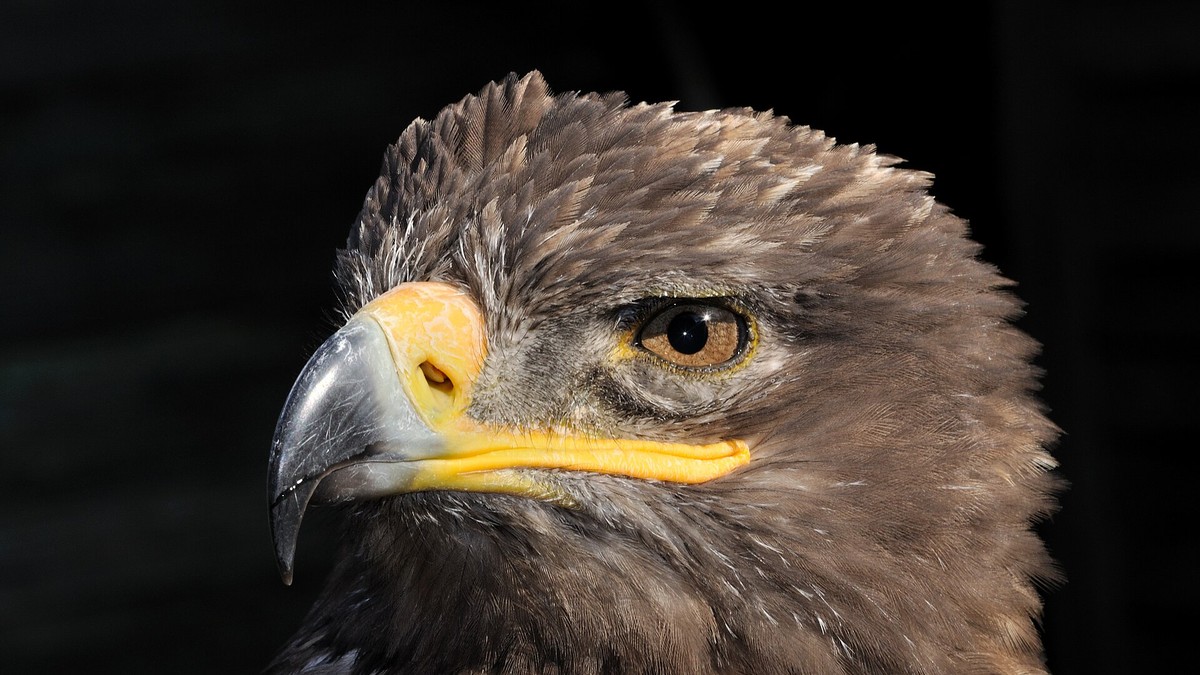
Different species respond to different thresholds. Robins may begin territorial singing when day length reaches 12 hours. Warblers often wait until insect emergence is guaranteed, linking their timing to temperature-driven hatch cycles. Raptors in temperate zones frequently start 2-4 weeks earlier than songbirds because their young require longer development periods before migration.
You can observe this transition directly. Watch for these sequential behaviors: dawn chorus intensification, mate guarding, and site prospecting. The gap between first song and first egg typically spans 2-6 weeks depending on species.
Territory Establishment and Mate Selection
Before nest construction begins, birds secure resources. Territoriality serves two functions: access to food for the brood and exclusion of competitors. Territory size correlates with body size and diet breadth. A hummingbird may defend a few hundred square meters of nectar-rich flowers. A red-tailed hawk requires 1-3 square kilometers of hunting ground.
Mate selection follows or overlaps with territorial establishment. In most passerines, females choose males based on territory quality, song complexity, or display performance. Male house wrens, for example, build multiple “starter nests” in cavities; females inspect these structures before selecting a mate. This is not courtship feeding or song alone—it is structural proof of fitness.
Some species form long-term pair bonds (eagles, swans, many corvids). Others re-pair annually. Even in socially monogamous species, genetic studies using microsatellite markers reveal that 10-40% of offspring in many passerine nests result from extra-pair copulations. The social unit and the genetic unit are not identical.
Nest Construction: Engineering Decisions
Nest building typically takes 2-14 days depending on complexity. The process involves thousands of individual trips. A chickadee may transport material 400-600 times for a single cavity nest. An oriole weaving a hanging pouch completes 1,000-2,000 knots using plant fibers, hair, and synthetic materials.
Site selection follows specific constraints:
| Factor | Selection Criteria | Risk if Wrong |
|---|---|---|
| Predation | Concealment, height, thorny substrate | Total clutch loss |
| Microclimate | Solar exposure, wind protection, drainage | Hypothermia, overheating |
| Food proximity | Within efficient foraging range | Starvation, extended absence |
| Competition | Exclusion of conspecifics, cowbirds | Parasitism, usurpation |
Materials are not random. Birds select for structural properties: tensile strength (twigs), elasticity (grass stems), insulation (down, moss), and antimicrobial compounds (certain leaves). Laboratory tests show that starlings incorporate fresh vegetation containing volatile compounds that reduce bacterial loads in nest material.
The Egg-Laying Sequence
Most birds lay one egg per day, typically in early morning. The interval allows each ovum to complete development in the oviduct, where the albumen, shell membranes, and shell are deposited. Shell formation alone requires 15-20 hours and draws heavily on calcium reserves—females may consume snail shells, bones, or calcareous grit to supplement.
Clutch size represents an evolutionary optimization, not a physiological maximum. It balances offspring number against survival probability. Food-stressed females may lay smaller clutches or smaller eggs. You can identify this stress: eggs in the same clutch showing >10% mass variation often indicate nutritional constraint or asynchronous laying.
Incubation usually begins with the final egg, ensuring synchronous hatching. Exceptions exist: barn owls begin immediately, producing asynchronous hatching and size hierarchies that facilitate brood reduction during food shortages.
Parental Investment and Nestling Development
Chicks follow two developmental strategies. Altricial species (most passerines, woodpeckers, raptors) hatch naked, blind, and helpless. They require 10-14 days of continuous brooding and hundreds of feeding visits daily. Precocial species (ducks, shorebirds, game birds) hatch covered in down, eyes open, and capable of locomotion. They transition to independence in days or weeks.
Feeding rates are extraordinary. A pair of great tits may deliver food 600-900 times per day to a brood of 10. Each chick receives 35-40% of its body weight in food daily. This demand shapes adult behavior: foraging effort increases 2-4 fold, and adults lose 10-20% of body mass during the nestling period.
Predation pressure is the primary cause of nest failure. Across North American studies, 40-60% of nests fail, with predation accounting for 60-80% of losses. Corvids, snakes, raccoons, and domestic cats are dominant predators. Nest success varies dramatically by habitat structure: nests within 5 meters of forest edges show 50-100% higher predation rates than interior forest nests.
Fledging and Post-Nest Survival
Fledging is not graduation. It is a transition to higher mortality. Juvenile songbirds in their first month face 3-5 times higher daily mortality rates than adults. Causes include predation, starvation, and collision.
Parental care continues 10-40 days post-fledging depending on species. Young follow adults, begging, and learning foraging techniques. This period determines first-winter survival. Inadequate food during this window produces permanent cognitive and physical deficits.
Second broods occur when season length permits. House wrens in southern ranges may raise three broods; northern populations manage one. This variation is not choice—it is the intersection of photoperiod, temperature, and food phenology.
Understanding nesting season as a sequence of decision points—triggering, territory, construction, investment, and transition—allows you to interpret what you observe. Each behavior you witness represents a solution to a specific problem: time, energy, or risk. The birds are not following instinct blindly. They are tracking variables you can learn to read.